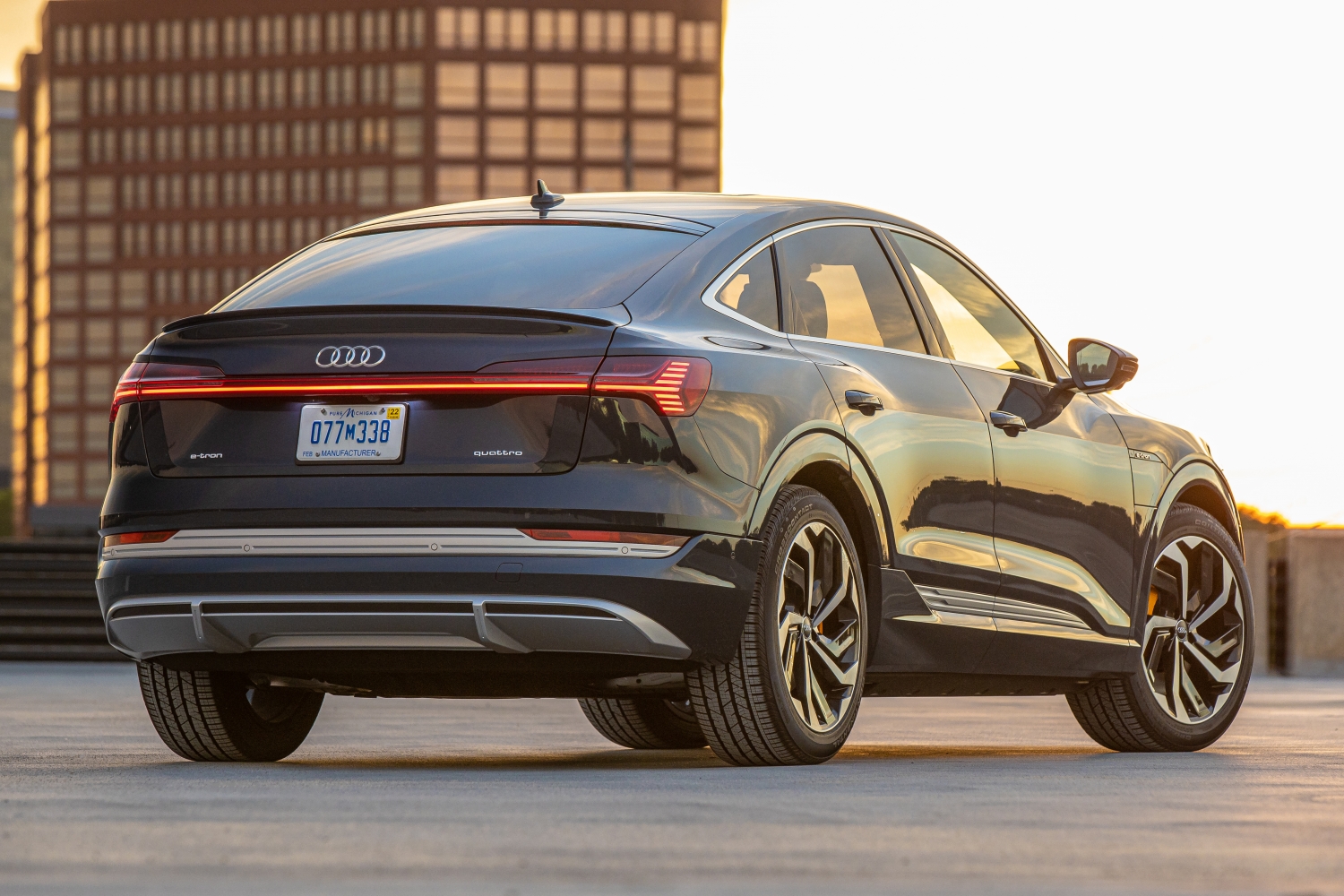
When you lease a car, you pay monthly to drive a vehicle. At the end of the lease agreement, you return the vehicle to the dealership. Unlike owning a car, where you build equity and can keep it, leasing is more like renting a car for a specific period of time.
Understanding Car Leasing
A vehicle lease is essentially a contract between you and the car dealership from which you’re leasing. When you sign a vehicle lease, you’re agreeing to make monthly payments to be able to drive the car for a predetermined period.
Credit: www.silverstoneleasing.com
Credit: www.unitedcapitalsource.com
How Lease Payments Are Calculated
Lease payments are calculated based on the car’s projected depreciation value over the lease term. The formula typically includes the residual value (the vehicle’s expected value at the end of the lease), the adjusted capitalized cost, a monthly depreciation component, a monthly rent charge, and a monthly tax.
Leasing vs. Buying a Car
In the short term, leasing a car is generally cheaper due to less stringent down payment requirements, lower monthly payments, and minimal maintenance and repair costs. However, in the long run, buying a car allows you to retain all the equity you build as you pay down the loan, potentially saving you more money.
Pros And Cons Of Leasing
Pros
Cons
Lower monthly payments
No ownership of the car at the end of the lease
Minimal maintenance and repair costs
Possible higher long-term cost compared to buying
Does Leasing Affect Your Credit Score?
Leasing a car can affect your credit score. Since it’s a form of credit, making timely lease payments can help improve your credit score. Conversely, missed payments can negatively impact your credit.
Maintaining Leased Vehicles
When leasing a car, you’re obligated to adhere to certain maintenance requirements. At the end of the lease, you’re usually required to prove that all scheduled maintenance was performed, and in some cases, cover excess wear and tear costs if applicable.
Is Leasing a Car Worth It?
Leasing a car involves taking possession of a vehicle for a fixed period, for a monthly payment. The decision to lease or buy should consider your individual circumstances and financial goals. It’s essential to weigh the pros and cons and determine which option aligns best with your needs and budget.
Frequently Asked Questions On Leasing A Car How Does It Work : Essential Guide
What Is The Downside Of Leasing A Vehicle?
The downside of leasing a vehicle is not owning it at the end of the lease, resulting in no trade-in value and potential higher long-term costs compared to buying.
Is It Smart To Lease A Car?
Leasing a car can be a smart choice in the short term. It often comes with lower monthly payments, less upfront costs, and minimal maintenance expenses. However, in the long run, buying a car may be more cost-effective because you’ll retain the equity as you pay off the loan.
Consider your individual needs and preferences before making a decision.
Does Leasing A Car Hurt Your Credit?
Leasing a car does not directly hurt your credit. However, it can indirectly affect your credit score if you miss lease payments or return the car with excessive wear and tear. It’s important to make payments on time and take good care of the vehicle to avoid any negative impact on your credit.
How Is A Lease Payment Calculated?
A lease payment is calculated by deducting the vehicle’s Residual Value from the Adjusted Capitalized Cost, then adding the Monthly Rent Charge and Monthly Tax.
Conclusion
Leasing a car can offer financial flexibility and the opportunity to drive a newer vehicle with lower upfront costs. However, it’s essential to carefully consider the long-term implications and costs before making a decision. By understanding the key aspects of car leasing, you can make an informed choice that aligns with your lifestyle and financial situation.