Hybrid cars are becoming increasingly popular due to their numerous benefits. One of the most significant advantages of hybrid cars is their reduced emissions. Conventional cars emit tailpipe emissions that can cause damage to the environment. However, hybrid cars can run on electric energy for short trips, resulting in significantly fewer emissions.
Another key advantage of hybrid cars is their improved fuel efficiency. With two fuel sources – gasoline and electric energy, hybrid cars offer enhanced fuel efficiency, making them a more economical and environmentally friendly option for drivers.
Types of Hybrid Cars
There are three main types of hybrid cars available: standard full hybrid vehicles, mild hybrid vehicles, and plug-in hybrid vehicles. Each type aims to reduce the frequency of visits to the gas station while operating differently to achieve this goal.
| Hybrid Car Type | Features |
|---|---|
| Full Hybrid Vehicle | Operates using both gasoline and electric power, providing excellent fuel efficiency. |
| Mild Hybrid Vehicle | Assists the gasoline engine using the electric motor, resulting in reduced fuel consumption. |
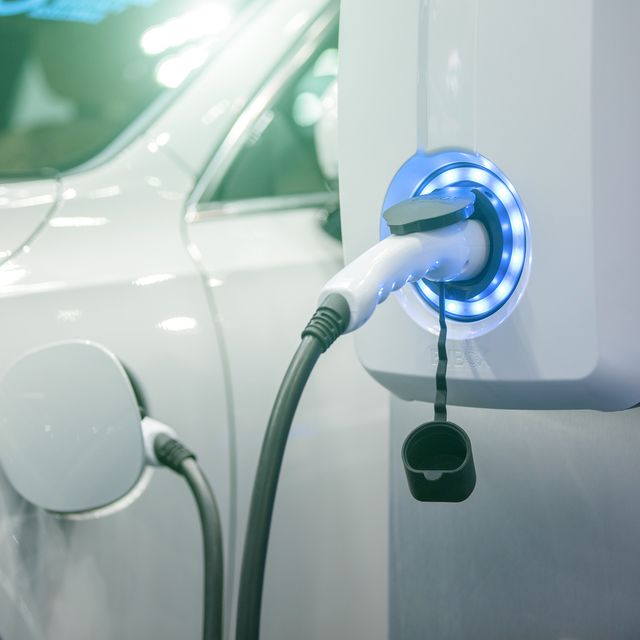
| Plug-in Hybrid Vehicle | Can be plugged in to charge the battery and usually has a longer electric range, allowing for more eco-friendly driving. |
Pros and Cons of Hybrid Cars
It’s essential to consider the pros and cons of hybrid cars when making a decision about purchasing one.
- Pros:
- Improved fuel economy
- Cheaper running costs
- Environmentally friendly
- No range anxiety
- Better performance around town
- Cons:
- More expensive than traditional gasoline cars
- Limited battery expectancy
- Needs to be charged for plug-in hybrids
How Hybrid Electric Cars Work
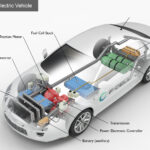
Hybrid electric vehicles are powered by an internal combustion engine and one or more electric motors, utilizing energy stored in batteries. Unlike pure electric cars, hybrid electric vehicles cannot be plugged in to charge the battery; instead, the battery is charged through regenerative braking and by the internal combustion engine.
What Is a Hybrid Car?
A hybrid car utilizes both an internal combustion engine and an electric motor for propulsion. This combination of power sources reduces emissions and improves fuel economy, making hybrid cars an attractive option for eco-conscious drivers.

Credit: www.thezebra.com
What Is a Hybrid Car?
A hybrid car is defined as a vehicle that employs more than one energy source, combining a petrol or diesel engine with an electric motor. The seamless integration of these two systems results in a more efficient and environmentally friendly mode of transportation.

Credit: www.motortrend.com
How Do Hybrid Cars Work?
In simple terms, hybrid cars combine a gas engine, a battery, and an electric motor to harness the benefits of both gasoline-powered and electric vehicles. This innovative technology optimizes fuel efficiency and reduces the environmental impact of driving.
Hybrid Electric Cars
Hybrid cars are equipped with a battery and an electric motor, complementing the gasoline engine to achieve improved fuel economy, lower emissions, and better overall performance. While gasoline remains the primary fuel source, the integration of electric power significantly enhances the car’s efficiency and environmental friendliness.
Frequently Asked Questions Of Hybrid Cars Description: Everything You Need To Know
What Is So Special About A Hybrid Car?
Hybrid cars are special due to reduced emissions and improved fuel efficiency, offering eco-friendly and cost-effective driving solutions.
What Are The 3 Types Of Hybrid Vehicles?
There are three types of hybrid vehicles available. These include standard full hybrids, mild hybrids, and plug-in hybrids. While all three types aim to improve fuel efficiency and reduce the frequency of trips to the pump, they differ in their operating mechanisms.
Can A Hybrid Car Run On Gas Only?
A hybrid car cannot run on gas only. It utilizes both gas and electric power to operate. The electric motor assists the gasoline engine, resulting in improved fuel efficiency and reduced emissions.
What Are The Pros And Cons Of Hybrid Cars?
Hybrid cars offer improved fuel efficiency and emit fewer emissions, benefitting the environment. However, they are more expensive than traditional cars and may require charging.