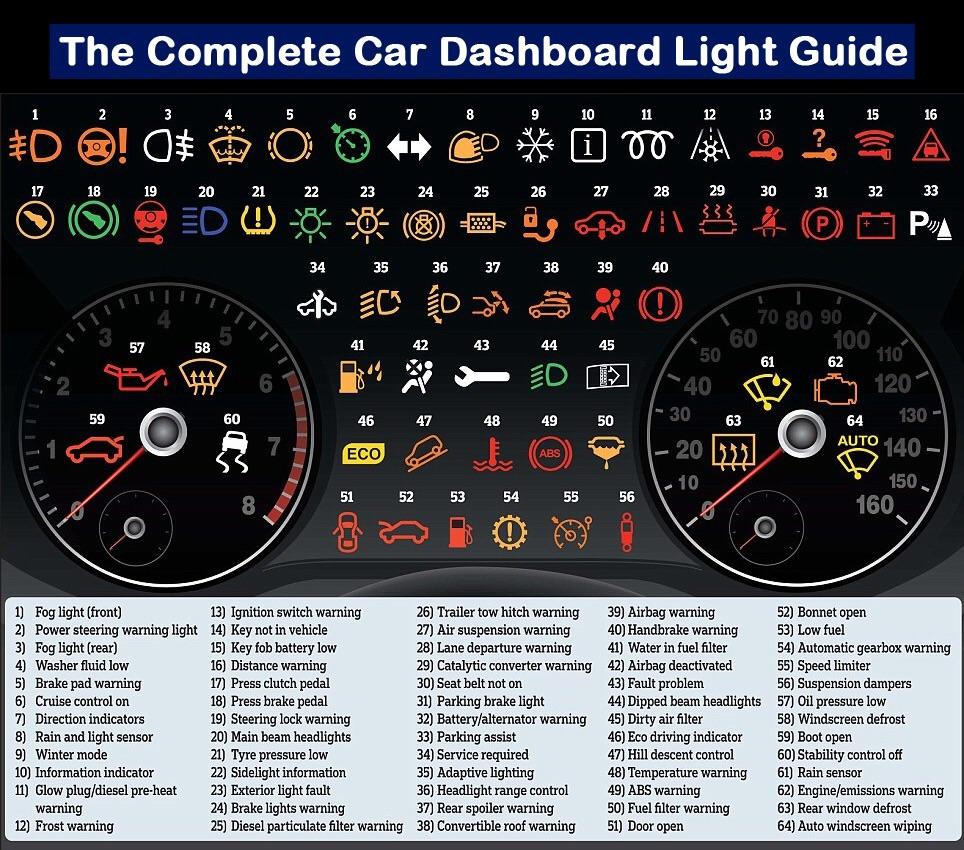
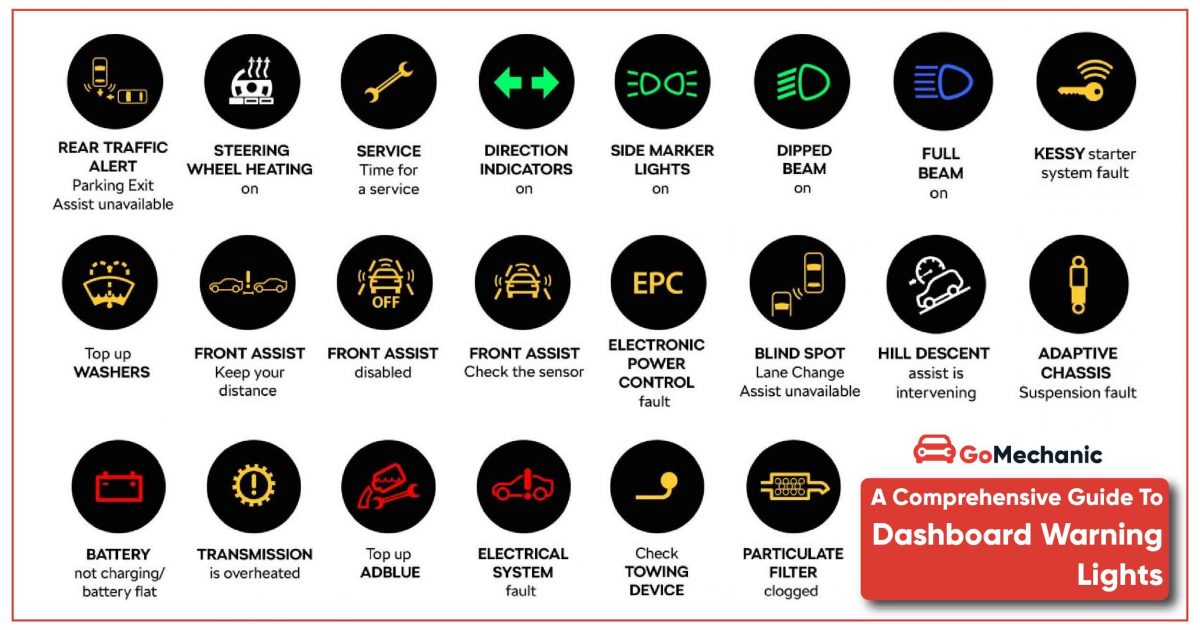
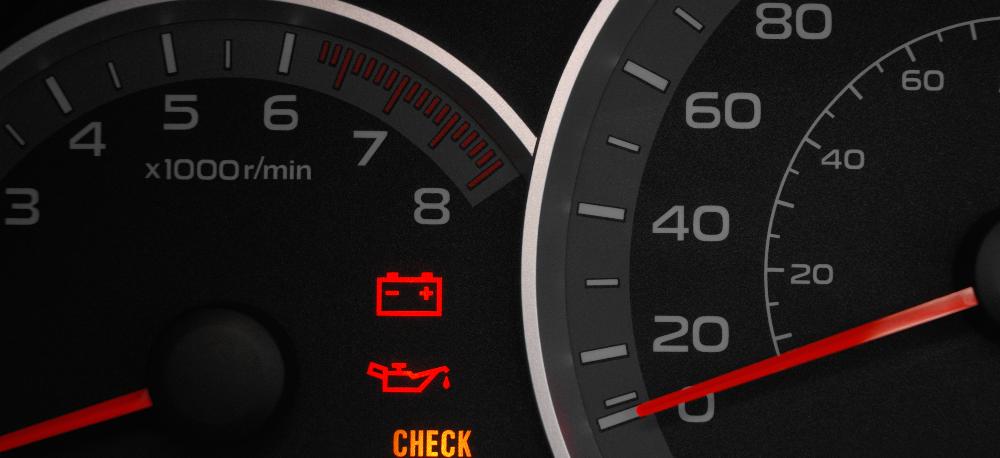
Understanding the various signals on your car’s dashboard can help you identify potential issues and ensure the safety and performance of your vehicle. Dashboard warning lights serve as visual indicators that alert you to specific problems or provide important information about the vehicle’s systems. Here, we will discuss some common car signals on the dashboard and their meanings.
Credit: gomechanic.in
Common Car Signals and Their Meanings
Signal
Meaning
Engine Light
This symbol indicates a problem with the engine. It is advisable to have your vehicle inspected by a mechanic as soon as possible.
Oil Pressure Warning Light
This light indicates low oil pressure in the engine. It is important to check the oil level and have any necessary repairs done promptly.
Battery Light
This light indicates a problem with the charging system or battery. It is recommended to have the electrical system checked by a professional.
Brake System Warning Light
This light indicates a problem with the brake system. It is essential to have the brakes inspected and repaired immediately to ensure safe driving.
Airbag Warning Light
This light indicates a potential issue with the airbag system. It is crucial to have it checked by a professional to ensure proper functioning in case of an accident.
Tire Pressure Monitoring System (TPMS) Light
This light indicates low tire pressure or a malfunction in the TPMS. It is important to check the tire pressure and address any issues to ensure optimal tire performance.
These are just a few examples of the many dashboard warning lights that you may encounter in your car. It’s essential to consult your vehicle’s manual for a comprehensive list of symbols specific to your make and model.
Credit: www.lakeelsinorehonda.com
Understanding Dashboard Warning Lights
Dashboard warning lights come in different colors, and each color indicates the urgency of the problem:
Red Warning Lights: Red warning lights require immediate action. If you encounter a red light, you should stop the car as soon as it’s safe and seek professional help.
Yellow/Amber Warning Lights: Yellow or amber warning lights suggest that action is required. While these warnings are less urgent than red lights, it is still advised to have the vehicle inspected or repaired soon.
Green Warning Lights: Green warning lights are for informational purposes only and indicate that a specific system is functioning correctly. These lights provide important information but do not require immediate action.
It is vital to take dashboard warning lights seriously and address any potential issues promptly. Ignoring these signals can lead to further damage to your vehicle or compromise your safety on the road.
Frequently Asked Questions For Car Signals On Dashboard: The Ultimate Guide To Understanding Warning Lights
What Do Car Dash Warning Symbols Mean?
Car dash warning symbols provide important information about your vehicle’s status. Red means stop immediately, yellow indicates need for action, and green is for information only.
What Are The 3 Main Warning Lights Gauges?
The three main warning lights gauges in a car are the check engine light, indicating engine or transmission issues; the oil pressure light, signaling low oil pressure; and the battery charge light, alerting about a potential charging system problem. These lights are critical for ensuring your vehicle’s safety and performance.
What Are The Signals In A Car?
The signals in a car include red for a stop, orange for advisory, and green for all clear. Red signals require immediate investigation, orange signals need action, and green signals provide information. Understanding these signals is crucial for safe driving.
What Is The Most Serious Warning Light In A Car?
The most serious warning light in a car is the Check Engine light, indicating a potentially major issue in the engine or transmission that requires immediate attention from a skilled mechanic to resolve.
Conclusion
Knowing and understanding the various car signals on the dashboard is crucial for every vehicle owner. These signals provide valuable information about your car’s health and can help you prevent costly repairs or potential accidents. If you encounter any dashboard warning lights, it is recommended to consult your vehicle’s manual or seek professional assistance to diagnose and resolve the underlying issues.
By staying informed and proactive, you can ensure the safe and efficient operation of your vehicle for years to come.