Electric cars have gained significant popularity in recent years as people become increasingly concerned about the environmental impact of traditional gasoline-powered vehicles. However, one common concern among potential electric car owners is the cost associated with charging these vehicles. In this guide, we’ll explore the various factors that influence the price to charge an electric car and compare it to traditional gasoline costs.
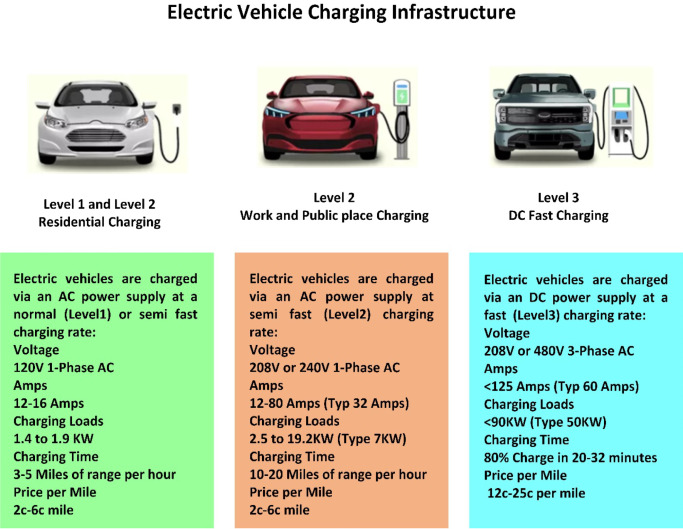
Credit: www.sciencedirect.com
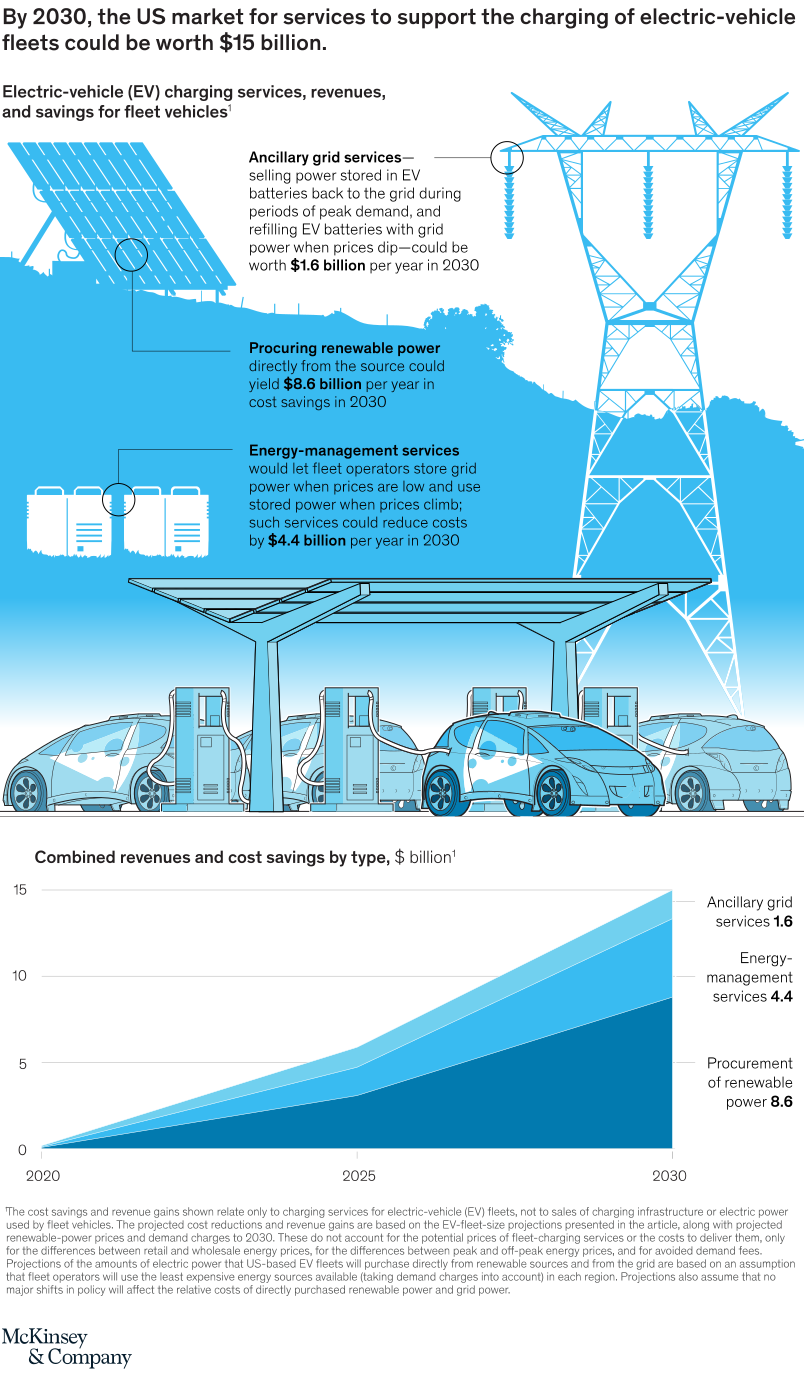
Credit: www.mckinsey.com
Factors Affecting the Cost of Charging
Several factors can influence the cost of charging an electric car, including:
Battery capacity
Electricity rates
Charging location
Charging speed
Understanding these factors is crucial for electric car owners to manage their charging expenses effectively.
Comparing Charging Costs to Gasoline Expenses
One of the most common questions is whether charging an electric car is cheaper than fueling a traditional gasoline-powered vehicle. This comparison largely depends on the local electricity and gasoline prices, as well as the energy efficiency of the electric vehicle.
For example, in Austin, Texas, the average cost of charging an electric car can range from $0.03 to $0.15 per mile, while the cost of gasoline for a conventional car is approximately $0.12 to $0.20 per mile, depending on fuel efficiency and local gas prices.
Charging at Home vs. Public Charging Stations
The convenience of charging at home versus the accessibility of public charging stations plays a crucial role in the overall cost management of electric vehicles. Charging an electric car at home may cost less due to residential electricity rates, while public charging stations offer the flexibility of fast charging and may require additional fees.
Charging at Home vs. Public Charging Stations
Charging Location
Cost
Advantages
Home
Depends on Electricity Rates
Convenience, Potential Cost Savings
Public Charging Station
Additional Fees May Apply
Fast Charging, Accessibility
Impact of Battery Capacity and Charging Speed
The battery capacity of an electric car and the charging speed also influence the total charging cost. Vehicles with larger battery capacities may require more electricity to charge fully, while the charging speed can affect the time and cost of charging. Fast charging options at public stations often come with a premium price, which should be factored into the overall cost analysis.
Monthly Charging Costs and Long-Term Savings
To estimate the monthly charging costs, electric car owners can calculate the average miles driven and the corresponding energy consumption of their vehicles. By comparing this with local electricity rates, owners can determine their monthly charging expenses. Moreover, over the long term, electric cars can offer significant savings on fuel costs, especially if the local electricity rates remain stable or lower than gasoline prices.
Frequently Asked Questions On Price To Charge An Electric Car: Cost-efficient Charging Solutions
How Much Does It Cost Per Charge In An Electric Car?
The cost to charge an electric car varies, but on average, it can range from $0. 03 to $0. 25 per mile.
Is Charging An Electric Car Cheaper Than Gas?
Charging an electric car is generally cheaper than using gasoline. The cost to charge an electric car varies depending on the electricity rates in your area and the efficiency of your vehicle. On average, it can cost around $0. 12 to $0.
18 per kilowatt-hour. Charging at home is often more cost-effective compared to public charging stations.
How Much Does It Cost To Charge An Electric Car At Walmart?
At Walmart, the cost to charge an electric car may vary by location. You can expect to pay an average of $0. 50 to $0. 60 per kilowatt-hour (kWh) for charging. Charging times and costs may differ based on the specific vehicle and charging station used.
How Long Does It Take To Charge An Electric Car At A Public Charging Station?
At a public charging station, charging an electric car takes around 30 minutes to 12 hours.
Conclusion
Overall, the price to charge an electric car is influenced by various factors, including location, electricity rates, charging speed, and battery capacity. Understanding these elements and comparing the costs to traditional gasoline expenses can help potential electric car owners make informed decisions about the financial aspects of owning and operating an electric vehicle.
Do you have any thoughts or experiences related to charging an electric car? Feel free to share them with us in the comments below!