As a vehicle owner, it’s essential to understand the various lights on your car and what they indicate. Proper knowledge about car lights and their meanings can help ensure your safety and prevent potential issues.
Types of Car Lights
Car lights serve different purposes and come in various forms. Here are the primary types of lights found in most vehicles:
Light Type
Purpose
Headlights
Illuminate the road for visibility
Daytime Running Lights (DRLs)
Enhance vehicle visibility during the day
Sidelights
Indicate the presence of the vehicle
Fog Lights
Improve visibility in foggy conditions
Understanding when to use each type of light is crucial for safe driving and compliance with traffic regulations.
Dashboard Warning Lights
Modern vehicles are equipped with dashboard warning lights to alert drivers of potential issues or system status. Here’s a quick overview of the common dashboard warning lights and their meanings:
Red Lights: Require immediate action and may indicate critical problems such as low oil pressure or engine overheating.
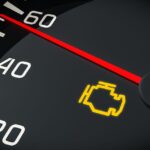
Yellow/Amber Lights: Indicate the need for attention or servicing, such as low tire pressure or engine check warnings.
Green/Blue Lights: Provide informational notifications, such as turn signals or system activation.
It’s vital to familiarize yourself with these symbols and respond accordingly to ensure your vehicle’s proper maintenance and function.
Interpreting Car Light Signals
Car light signals, including those on the dashboard, convey important messages to drivers. Understanding these signals is essential for safe and efficient driving. Here’s a simple breakdown:
Red Light: Signals urgent attention and requires immediate action or investigation.
Orange/Amber Light: Serves as an advisory signal, indicating the need for driver intervention or maintenance.
Green Light: Conveys normal operation or system activation, providing reassurance to the driver.
By recognizing and responding to these signals appropriately, drivers can address potential issues before they escalate and ensure the safe operation of their vehicles.
Credit: www.whiteandassociateslaw.com
Credit: www.lifewire.com
Frequently Asked Questions Of Light On A Car : Key Facts And Tips
What Are The Lights On A Car?
Car lights serve various purposes and include different types. The main lights on a car are low beam and high beam headlights, which provide visibility in the dark and make the vehicle visible to other drivers. Other lights include daytime running lights (DRLs), sidelights, and fog lights.
Green or blue lights indicate that a system is on, while orange/yellow lights suggest the need for servicing. Red lights require immediate action. These lights play a crucial role in safe driving.
What Does Light Symbol Mean On Car?
The light symbol on a car indicates if a system is on or operating (green/blue), needs servicing or repair (orange/yellow), or requires immediate action (red).
What Are The 3 Main Warning Lights Gauges?
The three main warning lights on gauges in a car are the check engine light, oil pressure light, and battery light.
What Is Light Signal In Car?
A light signal in a car is a visual indicator that communicates important information to the driver. Different colors signify different messages. Red indicates a critical issue that requires immediate attention, while orange or amber serves as an advisory signal, suggesting action should be taken.
Green lights indicate that everything is functioning normally. Understanding these dashboard warning lights is essential for maintaining the safety and performance of the vehicle.
Conclusion
Understanding the various lights on your car, including dashboard warning lights and their indicators, is crucial for safe and responsible driving. By familiarizing yourself with these lights and their meanings, you can take proactive measures to address potential issues and ensure the efficient operation of your vehicle.

:max_bytes(150000):strip_icc()/car-key-fob-not-working-57f182cb5f9b586c35574ca5.jpg)