Light Engine Car: Understanding the Check Engine Light
When your car’s internal computer identifies a problem with the engine or transmission, it turns on the check engine light. This is a common occurrence, and understanding the reasons and implications can save you time, money, and stress.
What Does the Check Engine Light Mean?
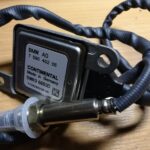
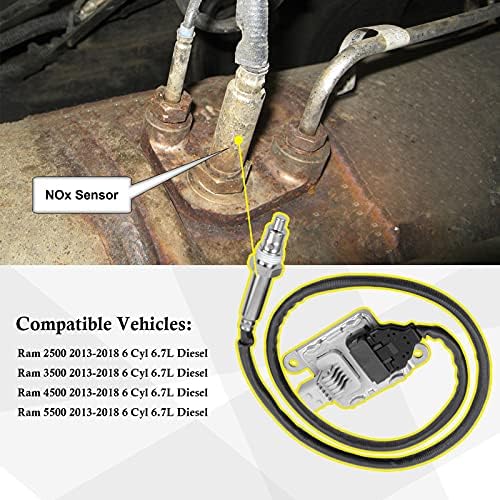
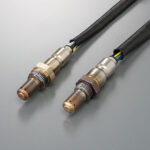
The reasons for a check engine light turning on can range from something minor like a loose gas cap to something more serious like a faulty catalytic converter. The most common problem is with the oxygen sensor, which assesses the engine’s oxygen levels after igniting the air-fuel mixture. If these sensors detect a problem or burn out over time, it will activate the Check Engine light.
Credit: heartautocare.com
Is It Safe to Drive with the Check Engine Light On?
If the check engine light comes on, it’s a sign that you should stop driving and have your car looked at by a mechanic as soon as possible. Use your best judgment on whether to call a tow truck or drive yourself to a nearby repair shop. Some issues are non-emergency, like a loose gas cap, while others, like a flashing check engine light, demand immediate attention due to severe situations.
What to Do About the Check Engine Light
Here are some initial steps to take when the check engine light comes on:
Look for indications of low oil pressure or overheating on your dashboard gauges and lights.
Try tightening your gas cap, as this is a common cause for the light to come on.
Reduce speed and load to ease strain on the engine.
Use built-in diagnostic services, if available, to identify the issue.
Understanding the Diagnostic Codes
Standardized diagnostic codes help identify the trouble when the check engine light comes on. These codes can provide valuable insights and guidance for addressing the specific issues that triggered the warning.
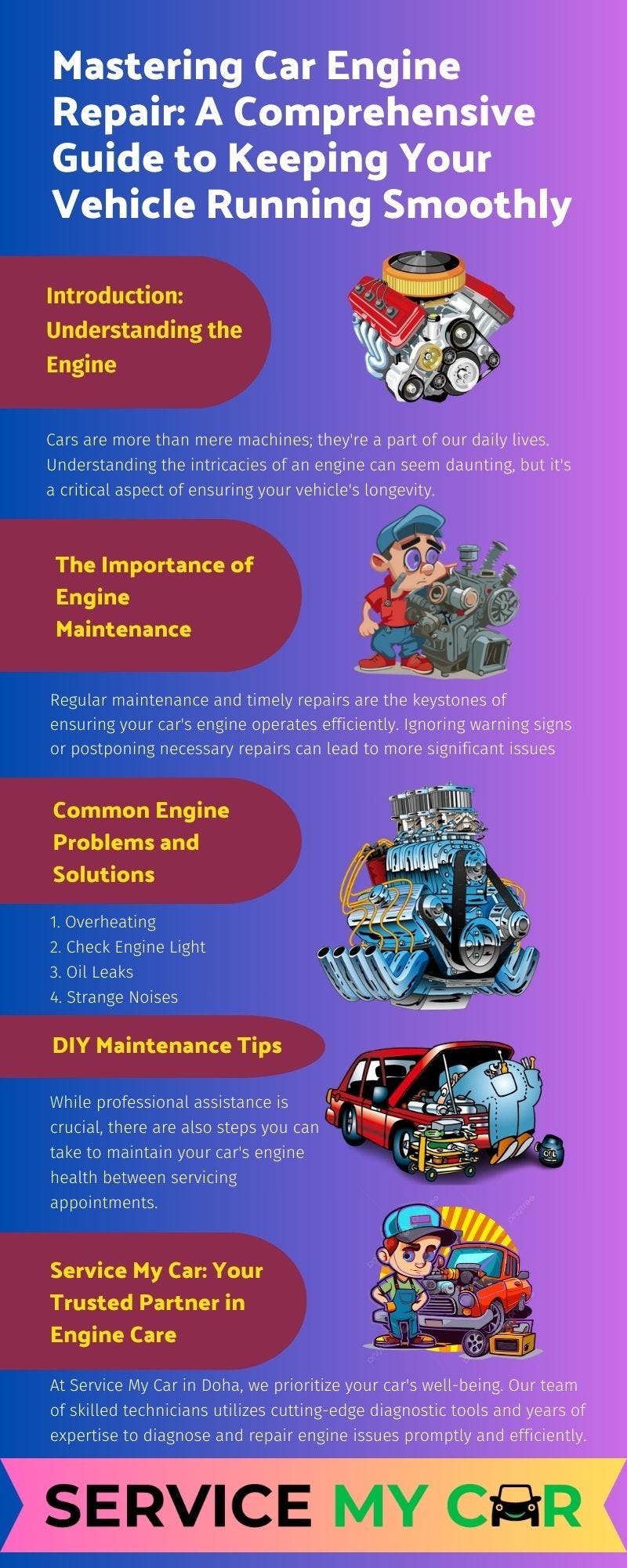
Credit: medium.com
What Does a Blinking Check Engine Light Indicate?
A blinking check engine light usually indicates a severe situation, such as an engine misfire. This requires immediate attention and professional inspection to prevent further damage to the vehicle.
Frequently Asked Questions On Light Engine Car : Tips For Diagnosing And Fixing Common Issues
Is It Ok To Drive With Engine Light On?
Driving with the engine light on is not recommended. It indicates a problem with your car’s engine or transmission that requires immediate attention. Contact a mechanic or drive to a nearby repair shop to prevent further damage. Use your best judgment on whether to call a tow truck.
What Does An Engine Light Mean On A Car?
When your car’s engine light comes on, it signifies an issue with your engine or transmission. It could be something minor like a loose gas cap or a serious problem like a faulty catalytic converter. It’s advisable to have a mechanic inspect your car promptly.
What Is The Most Common Reason For Check Engine Light?
The most common reason for the check engine light is a faulty oxygen sensor, detecting engine oxygen levels.
How Do You Fix An Engine Light?
To fix an engine light, first, check for any serious problems such as low oil pressure or overheating. Tighten your gas cap and reduce speed and load. If available, use built-in diagnostic services. Identify the issue with standardized diagnostic codes.
For non-emergency issues like a loose gas cap, the light will remain steady. However, if it flashes, it requires immediate attention due to severe situations.
Conclusion
Understanding the check engine light and its implications is crucial for every car owner. By taking proactive measures and seeking professional assistance when necessary, you can ensure the safety and longevity of your vehicle.