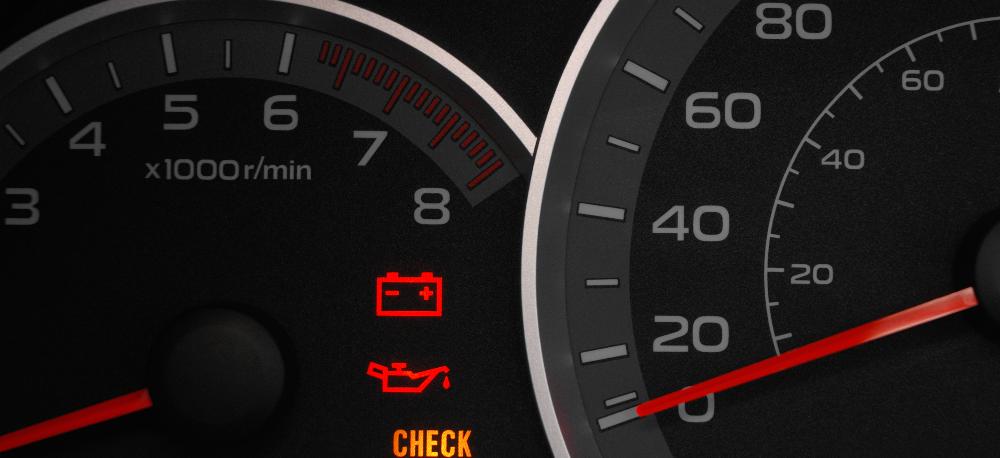
In today’s modern cars, the dashboard is filled with various lights and symbols that can be quite confusing for many drivers. It is essential to understand these dashboard lights to ensure the safety and well-being of your vehicle.
The Importance of Dashboard Lights
Dashboard lights serve as an essential communication tool between your car and you, the driver. They provide crucial information about the health and functionality of your vehicle. Understanding these lights can help prevent potential problems and keep your car running smoothly.
Common Dashboard Lights
Whether it’s a simple indicator light or a warning symbol, each light on your car’s dashboard holds vital information. Here are some of the most common dashboard lights and their meanings:
Light
Meaning
Check Engine Light
Indicates a potential issue with the vehicle’s engine. Immediate attention is needed.
Battery Warning Light
Signals a problem with the car’s charging system. It requires inspection and potential replacement.
Oil Pressure Light
Warns about low oil pressure, which can cause severe damage to the engine if not addressed promptly.
Brake System Light
Indicates potential issues with the brake system, requiring immediate inspection and repair.
ABS Warning Light
Signals a problem with the anti-lock braking system. Professional attention is necessary.
Check Tire Pressure Light
Warns about low tire pressure, which can affect vehicle handling and fuel efficiency.
Understanding Light Colors
The color of the dashboard light can also convey important information:
Red Lights: Require immediate action as they indicate critical issues that need immediate attention.
Yellow/Orange Lights: Indicate that the vehicle requires servicing or repair soon. They are less urgent than red lights but still need prompt attention.
Green/Blue Lights: Serve as informational indicators, letting you know that a system is operational.
Credit: community.tucson.com
Credit: www.i95toyota.com
Interpreting Dashboard Symbols
Dashboard symbols can vary among different car models, but there are some universal symbols that every driver should be aware of:
Check Engine Light: The most feared warning, indicating potential serious engine damage.
Oil Pressure Warning Light: Signifies low oil pressure, which can lead to engine problems.
Brake System Light: Signals issues with the vehicle’s braking system, affecting safety.
Battery Warning Light: Indicates a problem with the car’s charging system or battery.
Frequently Asked Questions Of Light On A Car Dashboard : Decoding Your Dashboard Icons
What Certain Lights Mean On Dashboard?
Green or blue lights indicate a system is on. Orange/yellow lights require service soon. Red lights mean immediate action!
What Are The 3 Main Warning Lights Gauges?
The three main warning lights gauges on a car dashboard include the engine warning light, the battery warning light, and the brake warning light. The engine warning light indicates potential engine issues, the battery warning light signifies low battery power, and the brake warning light alerts to possible brake system problems.
It is important to pay attention to these warning lights and take appropriate action to address any underlying issues.
What Is The Most Serious Warning Light?
The most serious warning light on a car’s dashboard is usually the check engine light. This light is feared because it can indicate potential serious engine damage. It is important to take immediate action when this light is illuminated to prevent further damage to your vehicle.
What Does The P With 3 Lines And A Triangle Mean?
The “P” with 3 lines and a triangle is a parking assist light indicating parking sensor activation.
Conclusion
Understanding the lights and symbols on your car’s dashboard is crucial for maintaining the health and safety of your vehicle. Regularly checking and addressing these lights can prevent more significant problems in the future. When in doubt, always consult your vehicle’s manual or a professional mechanic for guidance.