Hand Signal Car: The Ultimate Guide to Driving Hand Signals
Are you familiar with using hand signals while driving? Whether it’s for turning or stopping, hand signals play a crucial role in ensuring road safety.
Importance of Hand Signals
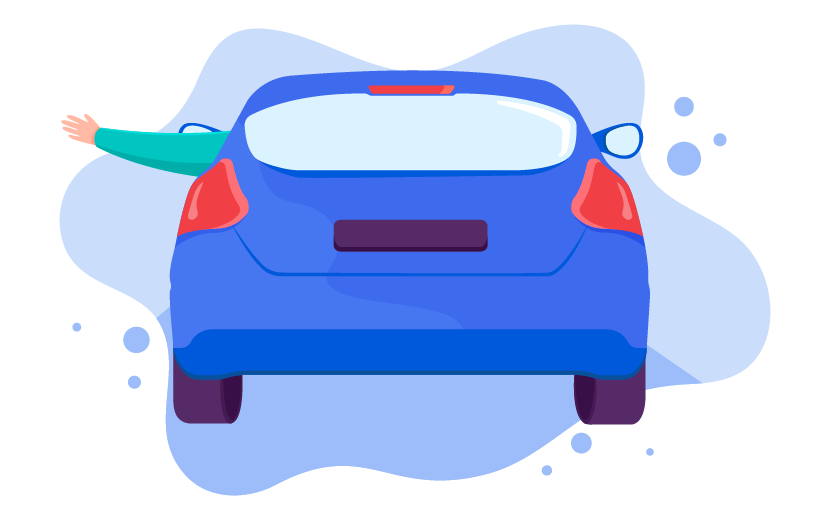
Hand signals are essential when your vehicle’s signal lights are not functioning correctly. They help communicate your intentions to other drivers on the road effectively.
Credit: driving-tests.org
Credit: www.statefarm.com
Common Hand Signals while Driving
Let’s take a look at some common hand signals used while driving:
Hand Signal
Description
Left Turn
Signal by extending your left arm straight out of the window.
Right Turn
Indicate a right turn by extending your right arm out with your palm facing forward.
Stop or Slow Down
Signal by extending your arm downwards with your palm facing backward.
When to Use Hand Signals
It’s crucial to use hand signals in the following situations:
When your vehicle’s signal lights are not functioning properly.
During bright sunlight when signal lights are hard to see.
As a backup to ensure your intentions are clear to other drivers.
Legal Aspects of Hand Signals
It is legal to use hand signals in a car when your signal lights are not working correctly. Always remember to signal when turning, changing lanes, slowing down, or stopping.
Additional Hand Signals
Aside from the standard turning and stopping signals, there are additional hand signals that drivers use to communicate on the road:
Apology Signal: Cut someone off? Signal to apologize.
Slow Down, Danger Ahead: Warn other drivers of potential hazards.
Lane Courtesy: Signaling for lane courtesy.
Light Problem: Notify others to check their lights.
Need Assistance: Signal for help or a timeout.
I Understand: Thank you or acknowledge understanding.
Practicing Hand Signals
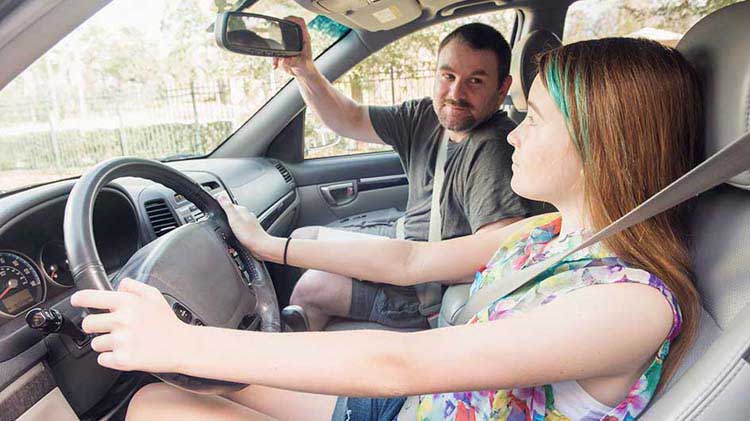
It’s essential to practice using hand signals, especially during driving lessons or when taking a driving test. Knowing how to communicate effectively through hand signals can contribute to road safety.
Frequently Asked Questions For Hand Signal Car: Master The Essential Driving Signals.
What Are The 3 Driving Hand Signals?
The 3 driving hand signals are:
1. Left turn: Extend your left arm out of the car window and point your arm straight out. 2. Right turn: Extend your left arm out of the car window and bend your forearm upward at a 90-degree angle.
3. Stop or slow down: Extend your left arm out of the car window and point your arm downward, with your palm facing backward.
What Are The 7 Hand Signals For Driving?
The 7 hand signals for driving are: 1) Right turn: arm out, forearm up, hand open facing forward; 2) Left turn: arm out, palm facing forward; 3) Stop or slow down: arm extended downward, palm facing backward. These should be used when signal lights are not working or hard to see.
What Do Hand Signals Mean In Cars?
Hand signals in cars are signals used to indicate turning or stopping. For a left turn, extend the left arm out. For a right turn, extend the right arm out. To slow down or stop, extend the left arm downwards with the palm facing backward.
Always use these signals when needed.
Is It Legal To Use Hand Signals In A Car?
Yes, it is legal to use hand signals in a car. Always signal when you turn, change lanes, slow down, or stop. If your vehicle’s signal lights are not functioning or hard to see, you can use hand-and-arm positions as signals.
Extend your left arm out the driver’s window for a left turn, right arm out for a right turn, and arm down with fingers extended and palm facing rearward to indicate slowing down or stopping.
Conclusion
Hand signals are a valuable tool to ensure clear communication on the road. Be familiar with the common hand signals, practice using them, and remember to prioritize safety while driving.