Dash Lights in Car: Understanding Common Dashboard Warning Lights
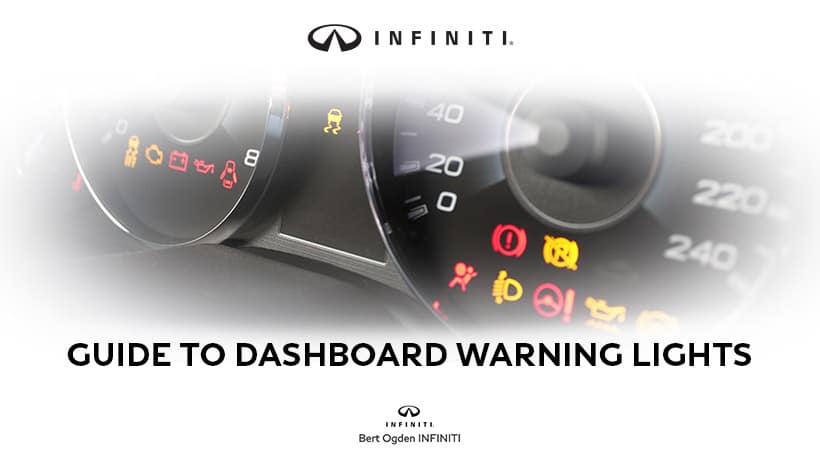
Have you ever been driving your car and noticed a light on your dashboard, but you’re not quite sure what it means? The dashboard warning lights can be confusing, but it’s essential to understand them as they provide crucial information about the health of your vehicle.
Credit: www.bmwsouthpoint.com
Types of Dashboard Warning Lights
Dashboard warning lights come in different colors, each indicating a specific message. It’s important to know what each color represents:
Light Color
Meaning
Red
Indicates a serious issue, and immediate action is required.
Orange/Yellow
Signify that the vehicle needs to be serviced or repaired soon.
Green/Blue
Simply informs that a system is on or operating.
Common Dashboard Warning Lights
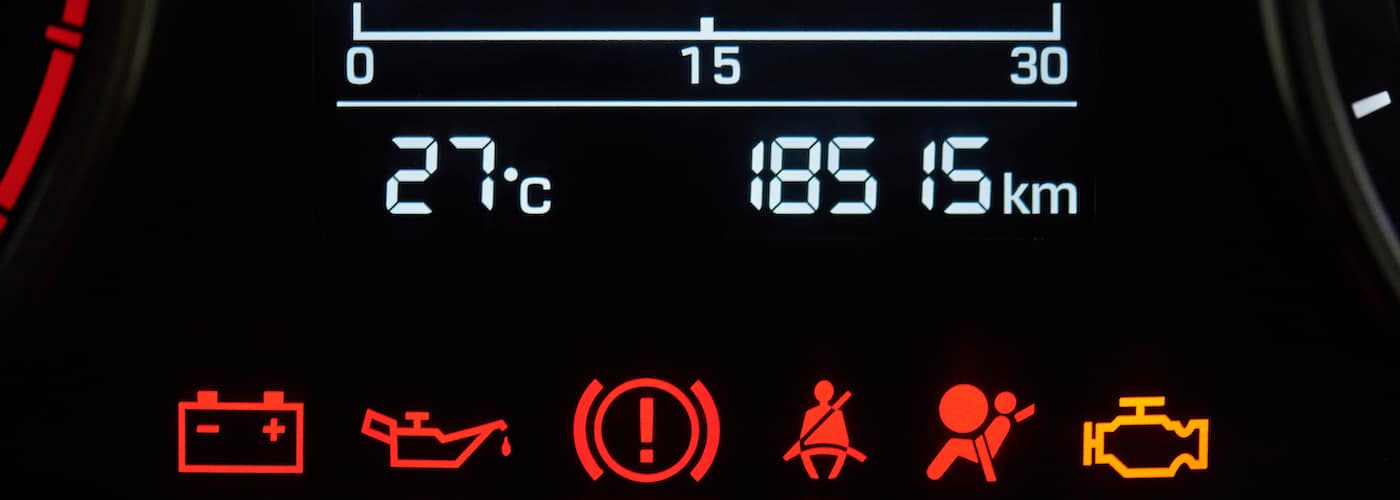
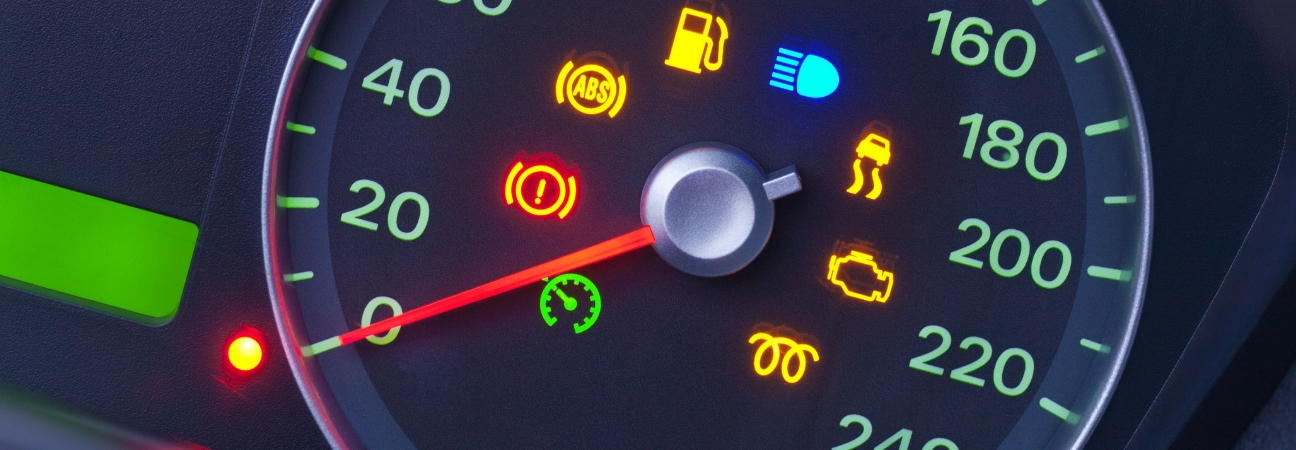
Understanding the most common dashboard warning lights can help you take the necessary action when required. Here are some of the typical dashboard lights you may encounter:
Check Engine Light
ABS Warning Light
Battery Warning Light
Brake System Fault Light
Low Tire Pressure Light
Oil Pressure Warning Light
Power Steering Malfunction Light
Service Due Reminder Light
Traction Control Disabled Light
Low Washer Fluid Light
Interpreting Dashboard Warning Lights
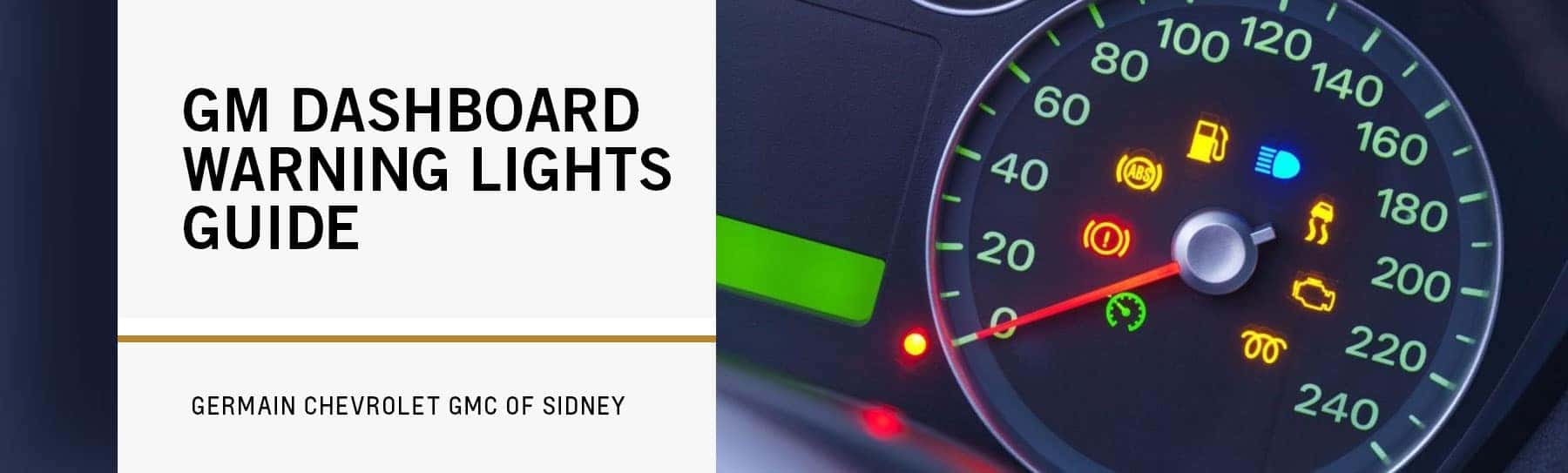
When you see a dashboard warning light, it’s essential to understand its message and take the appropriate action. Ignoring these lights can lead to severe vehicle damage or compromise safety. Here’s a quick guide on how to interpret the different dashboard warning lights:
Red Lights: Stop the vehicle as soon as it’s safe, as these indicate a serious issue.
Yellow Lights: Require action soon, indicating a need for servicing or repairs.
Green/Blue Lights: Provide information about the system’s operation and are for informational purposes only.
Credit: www.germaingm.com
Responding to Dashboard Warning Lights
Knowing how to respond to dashboard warning lights is crucial for maintaining the health and safety of your vehicle. Here’s what you should do when you see different dashboard warning lights:
Red Lights: Stop the vehicle immediately and seek professional assistance.
Yellow Lights: Schedule a service appointment at your earliest convenience to address the issue.
Green/Blue Lights: These are informational and do not require immediate action.
Addressing the Issue
When a dashboard warning light appears, it’s essential to address the underlying issue promptly. Reaching out to a qualified mechanic or technician can help diagnose the problem and prevent potential damage to your vehicle.
Frequently Asked Questions Of Dash Lights In Car : Your Guide To Understanding Dashboard Warning Lights
What Are The Lights On My Car Dash?
The lights on your car dash come in different colors. Green or blue means a system is on. Orange/yellow indicates a need for service or repair soon. Red signals immediate action required! Understanding Your Car’s Dashboard Warning Lights is crucial for timely maintenance.
What Are The 3 Main Warning Lights Gauges?
The three main warning lights gauges on a car dashboard are the red, yellow, and green lights. Red lights indicate an immediate need for action, while yellow lights signify that action is required soon. Green lights provide information and are not urgent.
It is important to pay attention to these warning lights to ensure the safety and proper functioning of your vehicle.
What Is The Most Serious Warning Light In A Car?
The most serious warning light in a car is the Check Engine light. This indicates that something serious has gone wrong in your car’s engine or transmission. It’s crucial to take immediate action when this light comes on. Ignoring it can lead to further damage and costly repairs.
If the Check Engine light stays on, consult an experienced mechanic to diagnose and fix the issue.
Why Are My Dash Lights On When My Car Is On?
Dashboard lights turning on when your car is running is normal. They illuminate during startup for self-testing. However, persistent illumination while driving may indicate an electrical issue, often caused by a faulty alternator.
Conclusion
Understanding the dashboard warning lights in your car is crucial for maintaining its health and safety. Ignoring these lights can lead to severe issues, so it’s important to address them promptly. By familiarizing yourself with the common dashboard warning lights and their meanings, you can ensure the optimal performance and safety of your vehicle.